
Hannah Beard, Osteopath

Osteopathic medicine is available on almost every continent and is practised in 46 countries worldwide (Bagagiolo, Rosa and Borrelli, 2022). A recent YouGov survey found that 95% of osteopathic patients say they have confidence in osteopaths with 9 in 10 patients also saying their osteopath was ‘excellent’ or ‘very good’ at making them feel at ease (Piggot and Gosschalk, 2018). This is great news for the profession but who are these people seeing an osteopath and why do they choose to see one?
Demographic data on who sees an osteopath is wide ranging. The most common age of people seeing an osteopath is 50-59 years old, but the range reported is from 18 to over 90 years old (Fawkes and Carnes, 2021). Teenagers and children can also see an osteopath and those with paediatric training can assess and treat babies, toddlers and young children. As a profession and depending on training, osteopaths can treat anyone.
Women report seeing an osteopath more than men in the UK, and the majority of those seeing an osteopath were employed or retired (Fawkes and Carnes, 2021). Osteopaths can see patients who are insured as well as patients who self-refer or who might have been advised to see an osteopath by another health professional. You do not need a referral to see an osteopath in private practice.
Osteopaths are professionally autonomous which means they can diagnose conditions and refer into NHS primary care or private services.
The most common presenting problem seen in an osteopath’s clinic is low back pain with 55.8% of patients reporting this as their main symptom (Fawkes and Carnes, 2021). The neck is the next most common symptom area followed by the shoulder. Surveys commonly find that patients predominantly see an osteopath for musculoskeletal conditions (in the skeleton, joints and muscles) but osteopathic medicine considers a person’s health and wellbeing to include the balanced functioning of the nervous system and organs (Bagagiolo, Rosa and Borrelli, 2022). So an osteopath will most commonly see backs, necks, shoulders, knees and hips but these are not the only treatment areas.
The least reported symptom area patients would see an osteopath for is the chest. This might be because it is not the main concern or primary symptom area when a person first decides to see an osteopath. I would treat the chest in a treatments because this is where muscles from the front of the shoulder and collarbone attach and it is where the front of the ribs are. Ribs can often be a source of pain or loss of movement in the neck and shoulder. Osteopaths would treat these frequently because good rib movement helps with functional breathing – very important for whole body health and healing.
What do we know about people’s reasons for choosing to see an osteopath?
In Piggot and Gosschalk’s 2018 YouGov survey, confidence in a health professional was determined by whether the professional provides good quality advice and treatment; whether professional has a recognised level of education and training; whether they keep their knowledge and skills up to date and if this is monitored by a regulatory body.
Osteopaths are professionals regulated by UK law. This means that anyone calling themselves an osteopath must have been educated in a recognised educational institution to degree level, are registered with the General Osteopathic Council (GOsC) and maintain this registration with regular updating of their knowledge, skills and performance.
90.8% of osteopathic patients reported that they were ‘very satisfied’ with their care (Fawkes and Carnes, 2021)
Osteopaths are also allied health professionals (AHPs) alongside 13 other registered professionals such as radiographers, paramedics and physiotherapists. This means that osteopaths are professionally autonomous so can diagnose conditions and refer into NHS primary care or private services (NHS England, 2022).
As AHPs, osteopaths are part of the system-wide access to care that assesses, treats and diagnoses conditions to help prevent disability and improve the health and wellbeing of patients (NHS England, 2022). There is a strategy for AHPs in England spanning 2022-2027 which aims to meet the needs of local communities, reduce health inequalities and improve outcomes for all. Osteopaths are part of that plan.

Are osteopaths effective at providing personalised care that helps patients return to health?
In Fawkes and Carnes 2021 review of patient reported outcomes, 90.8% of osteopathic patients reported that they were ‘very satisfied’ with their care. Every osteopath is an individual and no two osteopaths will approach a condition in the exact same way. Equally, every individual patient has a different response with different goals and healing times. This makes it difficult to evaluate clinical effectiveness in research studies. In an overview, Bagagiolo, Rosa and Borrelli (2022) found a range of studies in which osteopathic treatment was effective in reducing pain and improving function for low back pain in pregnant and non-pregnant patients, in neck pain, in long-term pain, tension-type headaches, migraines and in IBS. The same authors judged the quality of some of these studies to be poor due to a lack of detailed descriptions of the osteopathic treatment applied, issues with comparing real hands-on treatment to fake hands-on treatment and a low number of agreeing studies (Bagagiolo, Rosa and Borrelli, 2022). There is no easy solution to proving effectiveness of osteopathic treatment in randomised control trials which are deemed robust but are not easily adapted to interventions involving hands on therapies.
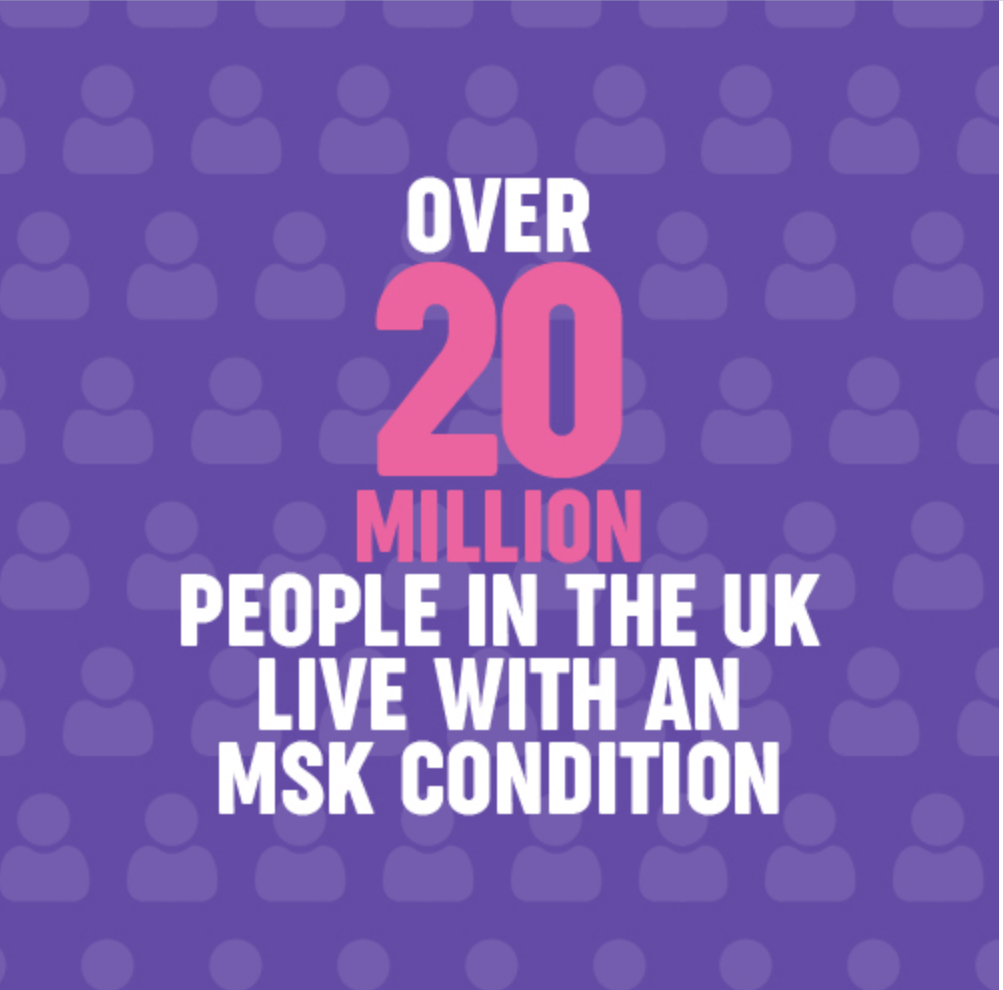
In the UK there are 10 million people who have arthritis. This means 1 in 6 people are living with painful, stiff or restricted joints (Versus Arthritis, 2023). This doesn’t just affect someone’s movement and physical activity but also their energy levels, mood and ability to socialise. This is at a time when people could be waiting over a year for access to NHS care, particularly for hip and knee replacements (Versus Athritis, 2023).
National Institute for Health and Care Excellence (NICE) recommends the manual therapy an osteopath would provide (spinal manipulation, mobilisation, massage) for managing low back pain with or without sciatica alongside exercise (NICE, 2016). Manual therapy is also recommended for osteoarthritis, for example hip and knee osteoarthritis, alongside therapeutic exercise (NICE, 2022).
This is in response to recent evidence supporting the work done by osteopaths and other manual therapists on patients who are waiting for joint replacements. These patients have been better able to manage their pain and physical function with an improved quality of life. NICE have recommended more research on manual therapy with exercise for other osteoarthritis-affected joints (NICE, 2022).
Similar issues found by Bagagiolo, Rosa and Borrelli in trying to measure and research hands on therapy robustly were found by NICE. The effective treatment time agreed by NICE was (on average) 7 weeks or less than 3 months.

In summary:
Osteopaths are trained to diagnose, manage and treat, all ages from all walks of life
Most people see an osteopath for pain or injuries to their joints, muscles, tendon, ligaments
The most common reasons for seeing an osteopath are for back, neck and shoulder pain but…
Osteopaths will also consider the health of your nervous system and your organs in helping you to move better or manage your pain
Patients trust osteopaths and satisfaction with their osteopathic care is high
By UK law, Osteopaths must be educated to degree-level, must be registered with the GOsC and must stay up to date with their knowledge, skills and performance according to agreed professional standards
NICE guidelines recommend considering treatments and advice that osteopaths provide for low back pain with and without sciatica and for osteoarthritis of the hip and/or knee
NICE recommends more research into the effectiveness of hands on therapy and advice that osteopaths provide for other joints affected by osteoarthritis
It is difficult to measure the effectiveness of hands on therapy like osteopathy in robust clinical research.
Osteopathic hands-on treatment has been found to reduce pain and improve physical function.

Useful Websites:
https://www.osteopathy.org.uk/visiting-an-osteopath/
https://www.iosteopathy.org/why-visit/why-visit-an-osteopath
References:
Bagagiolo, D., Rosa, D. and Borrelli, F. (2022) ‘Efficacy and safety of osteopathic manipulative treatment: An overview of systematic reviews’, BMJ Open, 12(4). doi:10.1136/bmjopen-2021-053468
Fawkes, C. and Carnes, D. (2021) ‘Patient reported outcomes in a large cohort of patients receiving osteopathic care in the United Kingdom’, PLOS ONE, 16(4). doi:10.1371/journal.pone.0249719
Recommendations: Osteoarthritis in over 16s: Diagnosis and management: Guidance (2022) NICE. Available at: https://www.nice.org.uk/guidance/ng226/chapter/Recommendations#non-pharmacological-management (Accessed: 19 April 2024).
Recommendations: Low back pain and sciatica in over 16s: Assessment and management: Guidance (2016) NICE. Available at: https://www.nice.org.uk/guidance/NG59/chapter/Recommendations#non-invasive-treatments-for-low-back-pain-and-sciatica (Accessed: 19 April 2024).
Overview Osteopathy (2021) NHS choices. Available at: https://www.nhs.uk/conditions/osteopathy/ (Accessed: 19 April 2024).
NHS England (2022) Available at: https://www.england.nhs.uk/ahp/about/ (Accessed: 19 April 2024)
NHS (2022) ‘The Allied Health Professionals (AHPs) strategy for England’
Versus Arthritis (2023) ‘The state of musculoskeletal health 2023.’



 Hannah Beard Family Osteopath