

“There are no constraints on the human mind, no walls around the human spirit, no barriers to our progress except those we ourselves erect.”
Ronald Reagan
Recently I went on a workshop about Treating Chronic Stress with MindBody Breakthrough and learned and revised some useful tips that I’d like to share with you. It is relevant to me personally given I’ve just completed 5 years studying a second degree in Osteopathy whilst work and life went on around the edges. It’s also relevant to me professionally as I do see chronically stressed patients.
In Osteopathy, we can treat some of the symptoms of chronic stress such as jaw pain from bruxism, headaches caused by excessive tension in the neck, low back pain, mid back pain, rib pain and the general muscle tension and aches and pains that go with being chronically stressed. Osteopaths study the effects of stress on the body because of its far reaching effects. Selye (1952) describes how every vital organ and function responds to stress; from the sympathetic nervous system (fight or flight response) activation which leads to increases in stress hormones cortisol and adrenaline which then affects the insulin regulation of the body, the cardiovascular system, and the the digestive system so that the body has extra energy to deal with the threat posed.
Have you ever found that you got unwell after a prolonged period of being under pressure? Teachers, for instance normally spend the first week of the holidays ill after 6-8 weeks of prolonged stress in school. Being stressed for long periods breaks the body’s ability to restore balance and that includes the balance created by the immune system. Reiche, Nunes and Morimoto, (2004) report how persistent activation of the hypothalamic-pituitary axis (HPA) in the chronic stress state impairs the immune response which contributes to the development and progression of dysfunction and disease within the body. When coming out of a stressful period of your life you might find yourself becoming ill as your body’s immune system kicks back into action to restore balance.
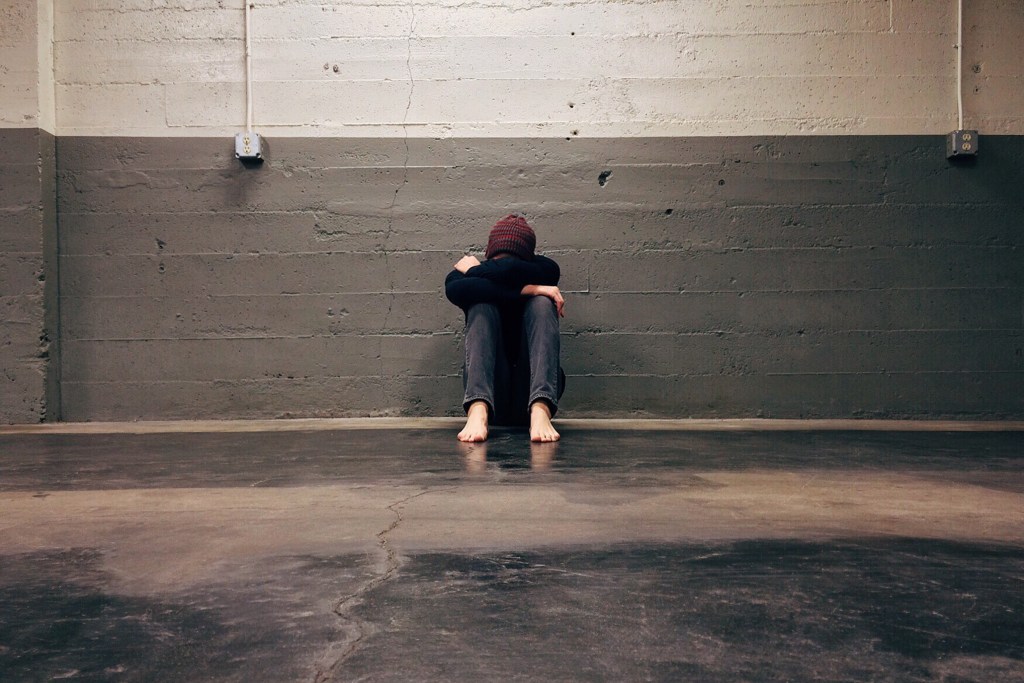
Anxiety wants you to withdraw from the world, healing requires connection.
Wale Oladipo, MindBody Breakthrough
Studies into brain imagery have shown that the blood flow and activity in the areas of the brain associated with heightened emotions can increase with chronic stress and anxiety. Over long periods of time this wires in panic disorders, anxiety and depression which basically involve disordered thinking and unbalanced emotional responses. https://www.amenclinics.com/services/brain-spect/
How do you re-balance the brain? Below are some evidenced based tips which I picked up on the course Treating Chronic Stress with MindBody Breakthrough:
- Take regular exercise for at least 40 minutes, four times a week
- Sleep for 7-8 hours daily
- Have regular massage sessions
- Practice gratitude and appreciation daily
- Reduce caffeine consumption, alcohol and smoking
- A balanced diet of high-quality proteins, healthy fats, and fewer carbohydrates will help balance your mood; avoid sugar as it is pro-inflammatory
- Brain health supplements: Omega 3 fatty acids to reduce oxidative stress in the brain, Magnesium (meant to be good for anxiety), B complex vitamins, Vitamin D, Vitamin C.
Why would coming to see an osteopath help with chronic stress? The evidence behind having regular massages tells us that hands on therapy like massage can “reduce depression, anxiety, cardiac frequency… this can also lead to an increase in vagal activities and a reduction in the levels of cortisol. In stress data from MRI scans, the scans suggested that the massages using moderate pressure reached the cerebral regions including the amygdala, the hypothalamus, the cingulated cortex and all of the areas involved in stress and emotional regulation” (Kurebayashi et al., 2016). So having osteopathic treatment that involves massage can reduce negative emotions by changing the chemical and neurological input to the brain.
Still not convinced? Why not book yourself an osteopathic assessment and treatment session and find out for yourself if osteopathy could help you.

 Hannah Beard Family Osteopath