
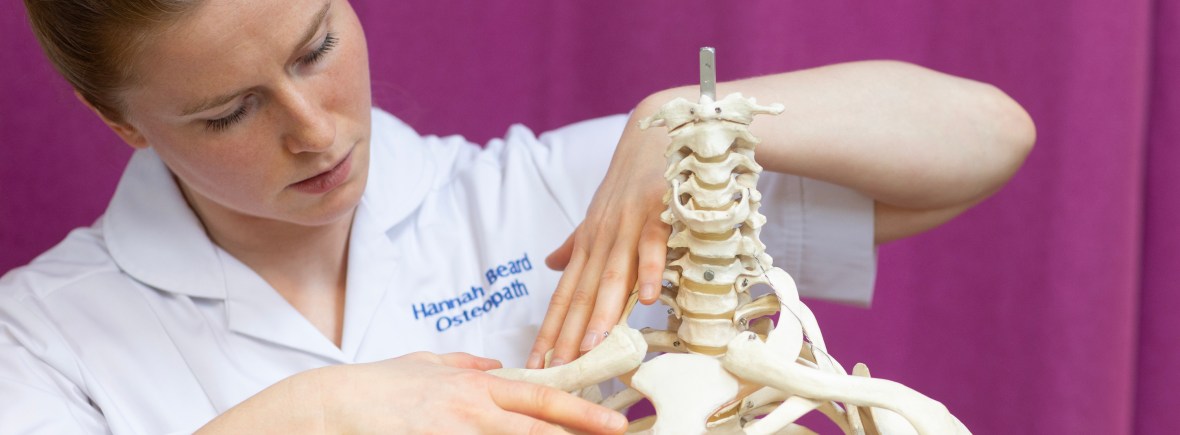
Osteopathic practice is a safe and effective form of therapy aimed at promoting health as well as preventing, diagnosing and treating a variety of health problems.
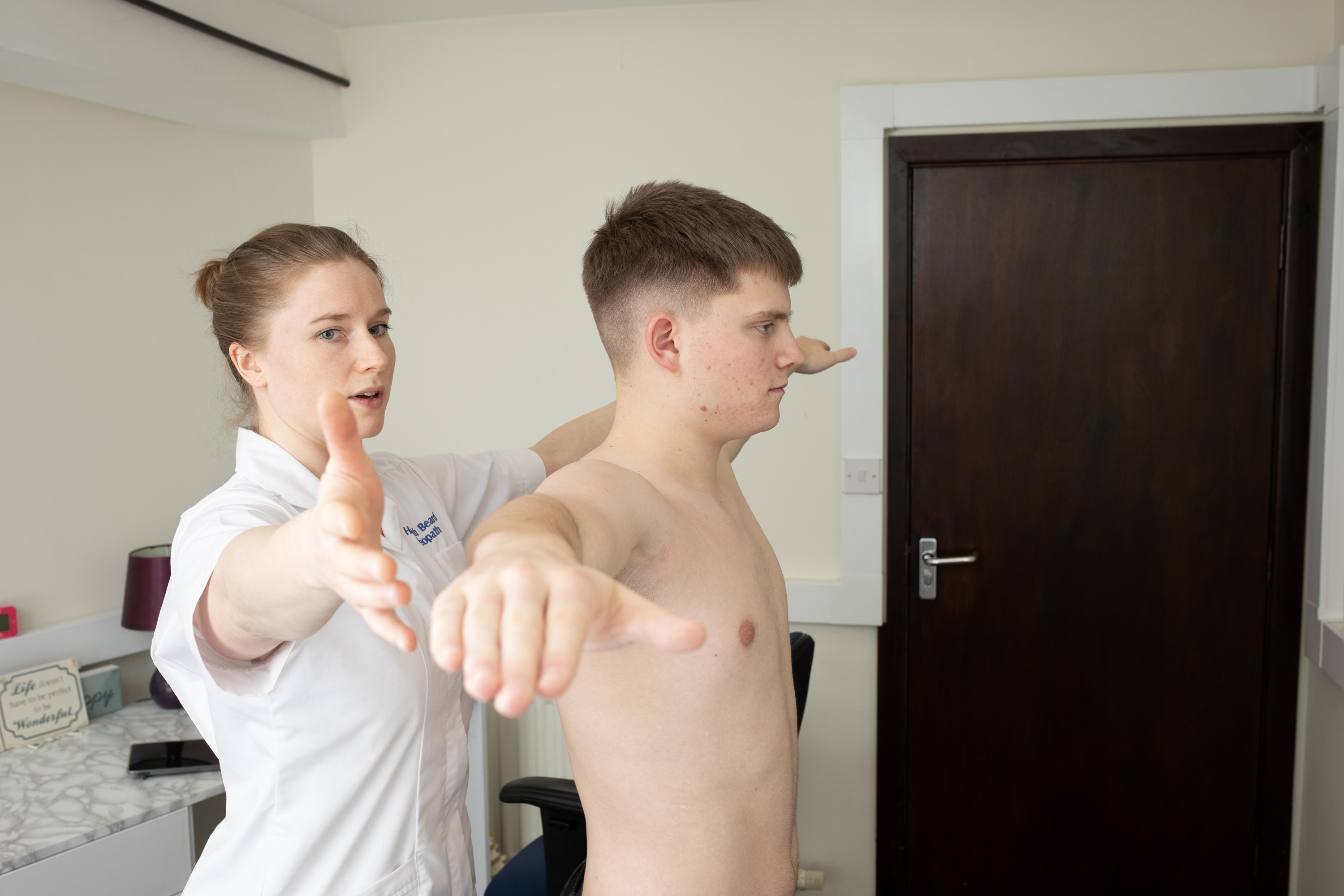
Osteopaths are highly trained, healthcare professionals who are experts in understanding and assessing where the muscles, joints and ligaments and fascia of the body have become dysfunctional in movement and function.
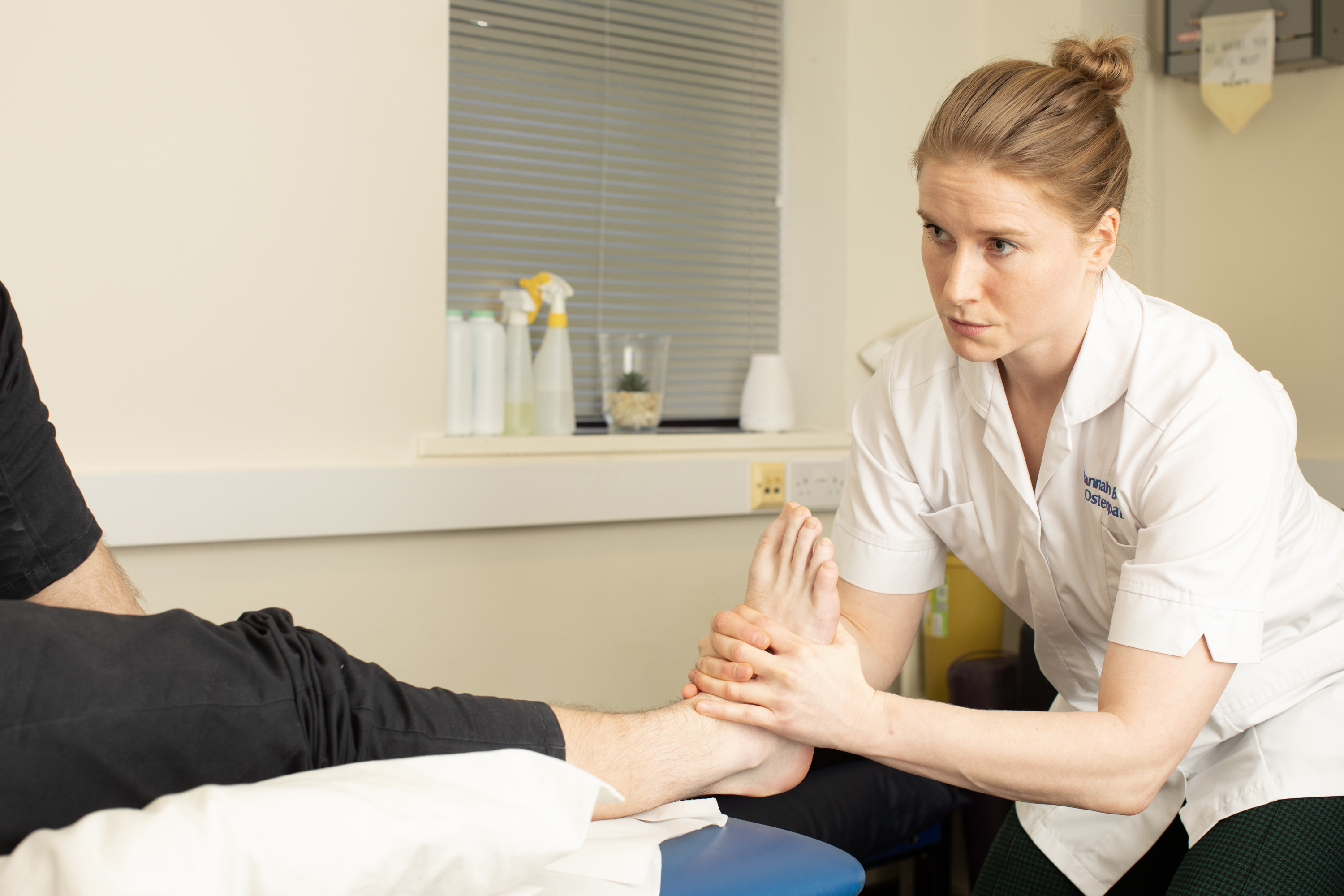
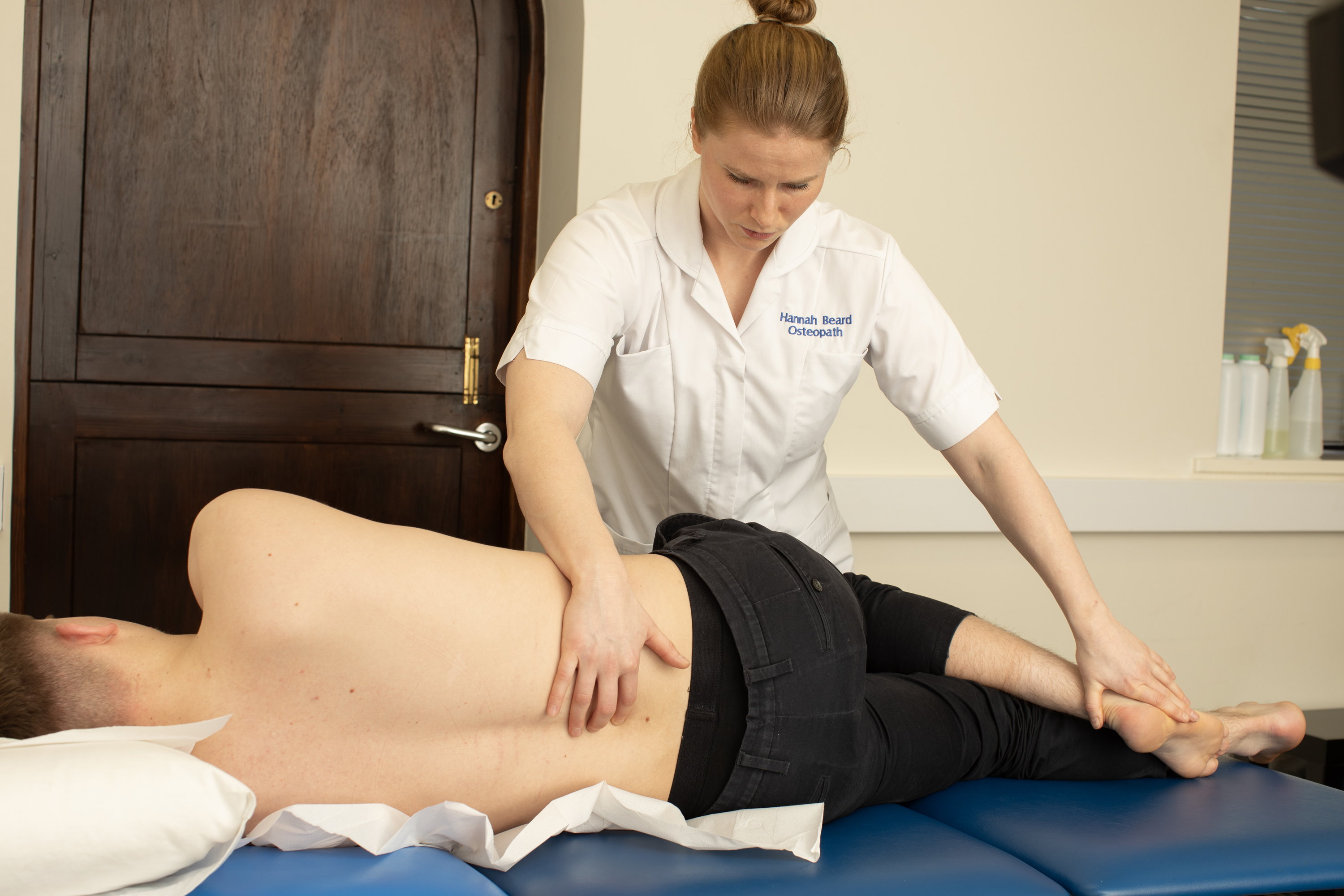
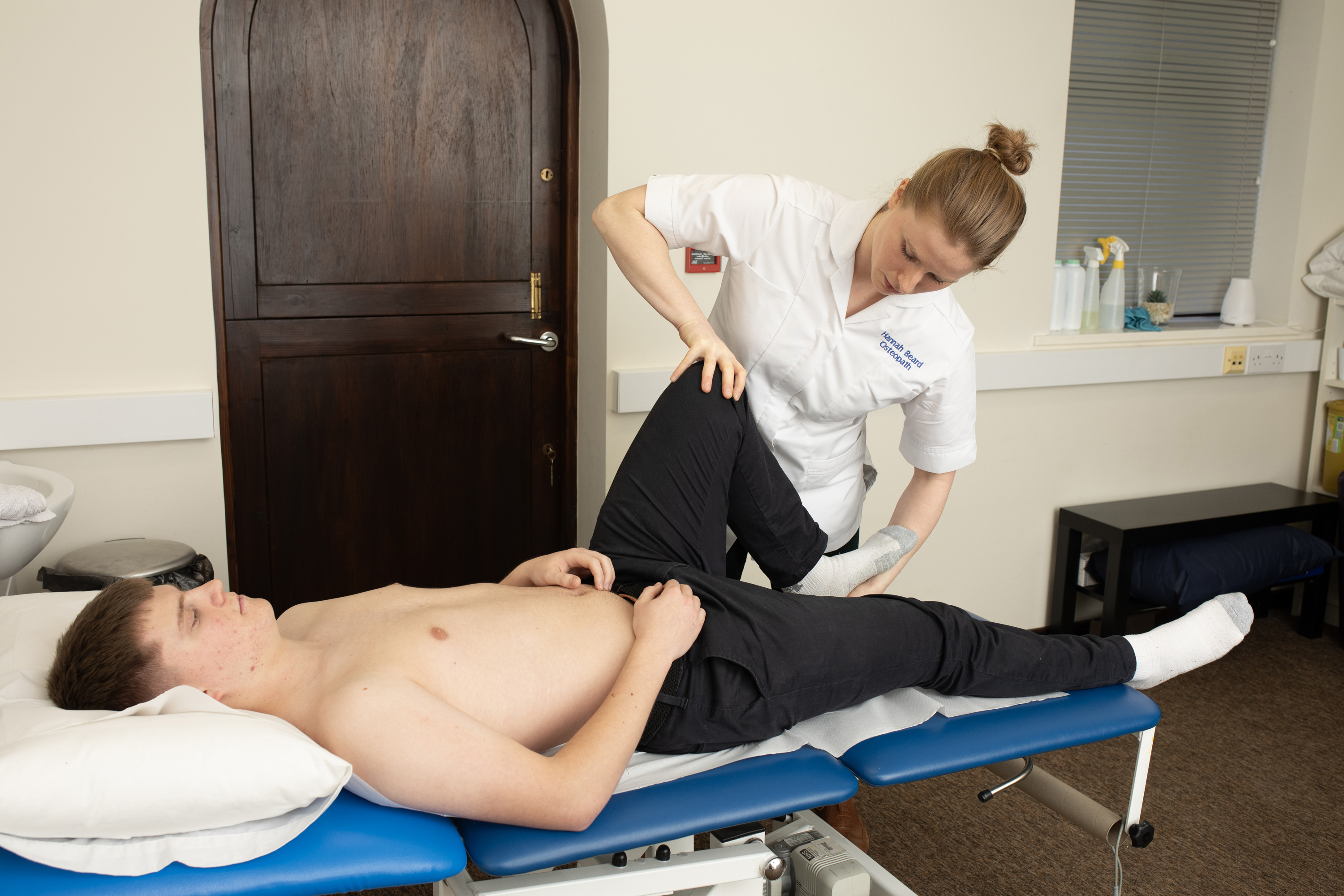
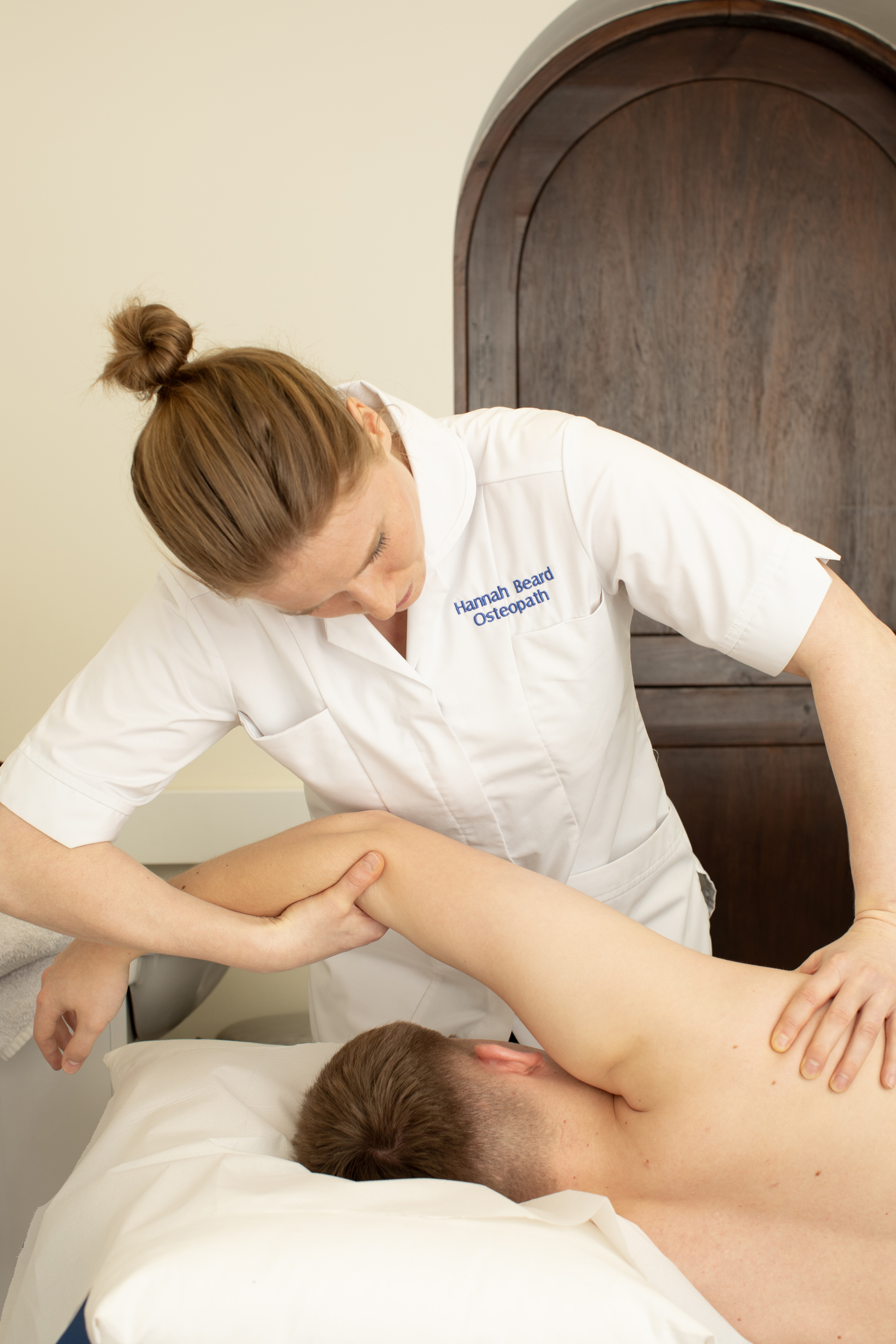
Hannah can use a wide range of hands-on therapy techniques that focus on releasing tension, stretching muscles and mobilising joints to restore motion, improve local nutrition and restore health.
Techniques can target a range of tissues including ligaments and the fascia that covers and contains all structures in the body.
Osteopathic hands-on treatment is often used together with exercises and advice designed to help patients to relieve or manage pain, keep active and maintain the best of health.
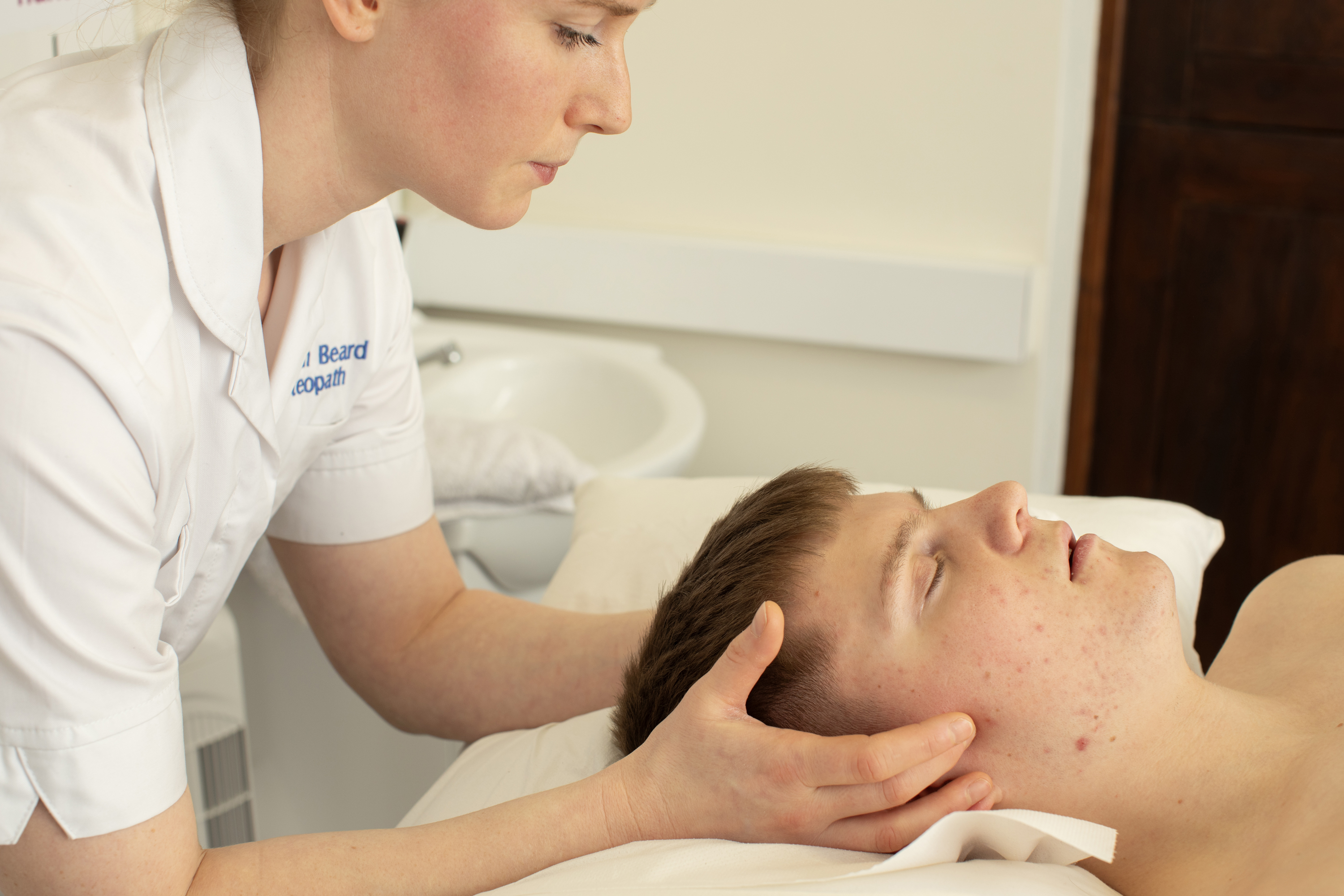
Hannah can use direct techniques like those listed above (on muscles, joints and fascia), or indirect techniques such as cranial osteopathy (sometimes called cranial-sacral therapy or CST) which works gently with pulls in tissues to allow a reflex change that releases tension.
Osteopathic care is suitable for people of all ages from babies to the elderly. People from a wide range of backgrounds seek osteopathic treatment, whether elite or recreational sports people, pregnant women, manual workers or office professionals.
Patients seek treatment for a variety of conditions, including back pain, changes to posture in pregnancy, postural problems caused by driving or work strain, the pain of arthritis and sports injuries. Hannah can see post-surgical cases once your scar is healed.
Osteopaths also work closely with other health care professionals, providing onward referral if required. Hannah can refer to your GP for further tests and investigations or to a private facility for imaging such as x-ray or MRI.
Osteopaths are regulated healthcare professionals which means they must study to degree level and maintain their professional status with ongoing professional learning and development. The General Osteopathic Council regulates osteopaths in the UK.
Osteopaths are first contact practitioners which means you can see them directly without a referral and they can diagnose your problem and refer onwards.
Since 2017 osteopaths have been Allied Health Professionals (AHPs) which means they play a crucial role in treating and rehabilitating patients to improve their lives.
What can Hannah help with?
Arthritic pain
Circulatory problems
Cramp
Digestion problems
Fibromyalgia
Frozen shoulder/ shoulder and elbow pain/ tennis elbow
Headache arising from the neck (cervicogenic)
Joint pains including shoulder, elbow, pelvic pain, hip, knee, ankle, foot pains
Joint pains including hip and knee pain from osteoarthritis
General, acute & chronic backache, back pain
Generalised aches and pains
Migraine prevention
Sports injuries
Muscle spasms or muscle pain and health
Neuralgia or nerve pain
Tension and inability to relax
Rheumatic pain or pain from inflammation
Sciatica
Neck pain
Patient satisfaction and confidence with osteopathic practice is very high
93.2% of patients felt that their experience of osteopathy was very good
The General Osteopathic Council commissioned research into patient’s expectations of osteopathic care (2009-2010)
Over 50% of patients reported an improvement in their symptoms one week after osteopathic treatment and 73% reported an improvement in their symptoms at 6 weeks post treatment
National Council of Osteopathic Research, Patient Reported Outcome Measures questionnaire results
Osteopathy has an extremely safe reputation and major adverse event occurrence is very rare, rarer than from taking medication
Carnes, Dawn, Mars, Tom S., Mullinger, Brenda, Froud, Robert J. and Underwood, Martin (2010) Adverse events and manual therapy: a systematic review.
Hannah contributes 1% of the revenue from her business in Eccleshall to carbon removal. Find out more here.
 Hannah Beard Family Osteopath