
According to the World Health Organisation (WHO), physical inactivity is now identified as the fourth leading risk factor for global mortality causing 6% of deaths worldwide. Only high blood pressure, tobacco, and high blood sugar kill more people. Since moving to Lancaster my own regime of fitness has fallen by the wayside and I’m putting on weight, not loads but enough to make me stop and take notice.
Does this matter? In short, YES. Below explains why.
Physical inactivity is linked to cardiovascular disease, diabetes and cancer and their risk factors such as raised blood pressure, raised blood sugar and increased weight. Physical inactivity is estimated as being the principal cause for approximately 21–25% of breast and colon cancer burden, 27% of diabetes and approximately 30% of ischaemic heart disease burden. These diseases are classed as non-communicable diseases (NCDs) which now account for nearly half of the overall global burden of disease. It is estimated currently that of every 10 deaths, 6 are attributable to noncommunicable conditions. This means these diseases are influenced, at least in part, by our environment and our lifestyle choices.
Exercise isn’t just good for our heart health and to maintain a sensible weight. It stresses and strengthens our bones, gives us a boost of endorphins which counters depression, and according to the WHO, reduces the risks of colon cancer and breast cancer. Maintaining physical activity into older age helps to maintain good balance and reduces the risks of falls. If exercise was a pill, we’d all want to be taking it.
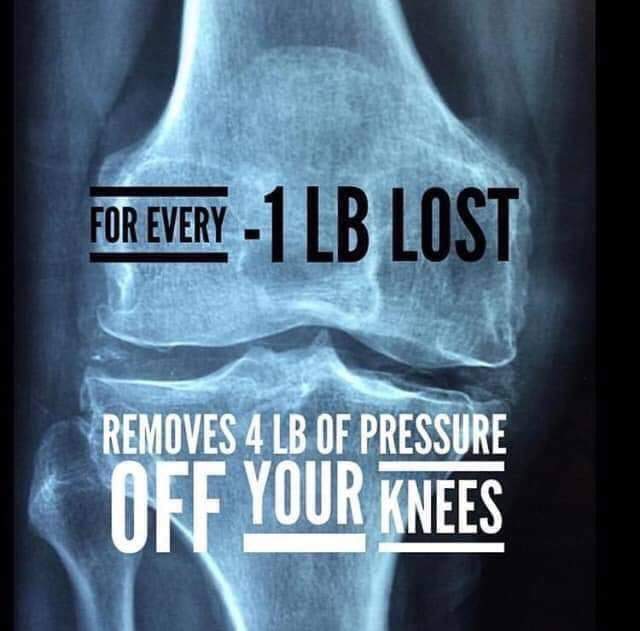
So how much should we be doing? It depends on your age and health; pregnant, postpartum or people who have had cardiac events have different needs and are recommended to seek medical advice before trying to meet the levels advised for adults aged 18-64. Let’s define the parameters. According to the most recent guidelines for healthy adults ages 18-64 we should be doing at least 150 minutes of moderate-intensity aerobic physical activity throughout the week or do at least 75 minutes of vigorous-intensity aerobic physical activity throughout the week or an equivalent combination of moderate- and vigorous-intensity activity. So if you were to exercise 3-5 times a week you need to be working for between 50-30 minutes at a time. In addition to that, muscle-strengthening activities should be done involving major muscle groups on 2 or more days a week.
This may seem like a lot but the benefits are worthwhile. Physically active people have higher levels of health-related fitness, a lower risk profile for developing a number of disabling medical conditions, and lower rates of various chronic noncommunicable diseases such as coronary heart disease, cardiovascular disease, stroke and hypertension; diabetes and obesity; osteoporosis; breast and colon cancer and depression compared to people who are inactive.
What about for people aged over 65? To my surprise they have the same recommended activity levels as those under 65. In some cases the evidence of health benefits is strongest in older adults because the outcomes related to inactivity are more common in this age group. This results in an increased ability of observational studies to detect the protective effect of physical activity in the over 65’s. Overall, conclusive evidence shows that adults aged 65 years and above should do at least 150 minutes of moderate-intensity aerobic physical activity throughout the week or do at least 75 minutes of vigorous-intensity aerobic physical activity throughout the week or an equivalent combination of moderate- and vigorous intensity activity.
In addition to this, those with poor mobility, should perform physical activity to enhance balance and prevent falls on 3 or more days per week and muscle-strengthening activities should be done involving major muscle groups, on 2 or more days a week. When adults of this age group cannot do the recommended amounts of physical activity due to health conditions, they should be as physically active as their abilities and conditions allow.
How many of us are reaching these targets? Especially those in the upper age group? I certainly wasn’t and I was feeling all the worse for it. I’ve decided to get up early in the mornings to get my recommended daily amounts of exercise in and I feel more informed for my patients to help encourage them to live healthier, more active lifestyles.
Osteopaths are interested in your overall health and well-being when you come for treatment. I hope this blog helps those of you who read it too.

 Hannah Beard Family Osteopath