
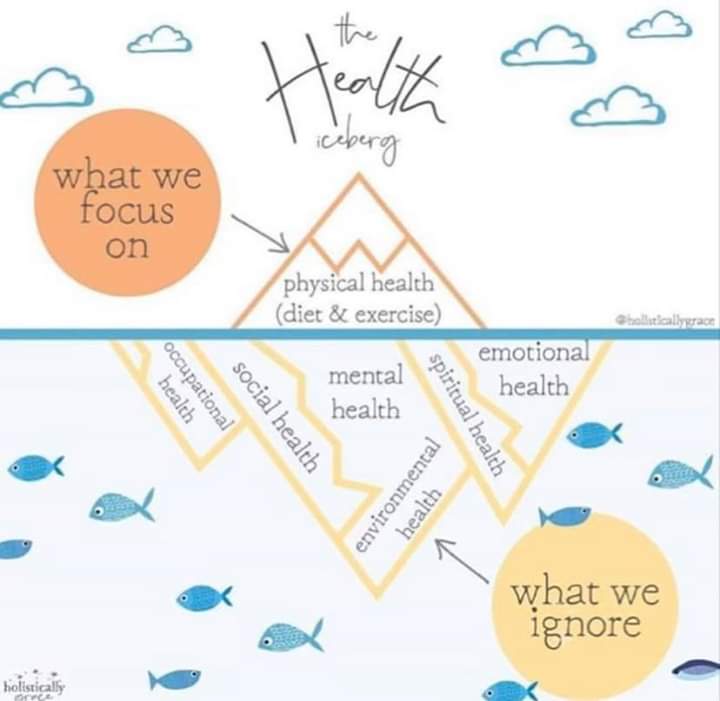
We all have times in our life when our mental health is not good. This might include feelings, thoughts, reactions and emotions that prevent you from feeling well. Triggers might include environmental, social, financial, physiological, relationship, work or emotional stressors (perhaps more than one thing on this list has/is happening to you on this list.) You are not alone. According to fundamental facts about mental health, every week, 1 in 6 adults experiences a common mental health problem such as anxiety or depression.(https://www.mentalhealth.org.uk/publications/fundamental-facts-about-mental-health-2016)
Normal feelings of being low or anxious might become a ‘mental health problem’ when it starts to impact on your ability to live your life fully, when the issues don’t go away after a couple of weeks, or they come back over and over. (https://www.mind.org.uk/information-support/types-of-mental-health-problems/ )
So what does this have to do with being an osteopath or osteopathy? Well for starters osteopaths claim to work with the body as a unit, which includes the mind, the body and the spirit. This is similar to the ‘Biopsychosocial model’ of approaching health care which is a model that is used to understand the combined biological, psychological and social factors that determine our health and well-being; a person’s illness or pain should not be viewed in isolation from their psychological or social factors.
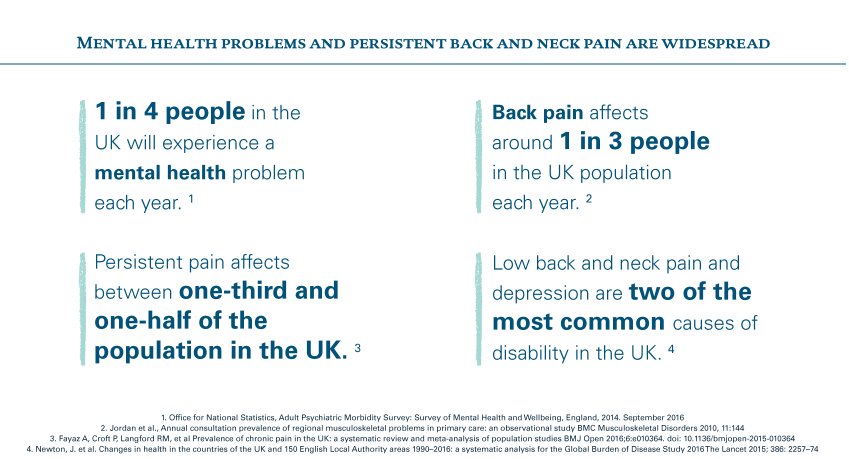
Osteopaths take the time over a case history to hear about the reason you’ve come to see us and also hear about your overall health. That includes common problems like high blood pressure but also common problems like depression and anxiety. This links in with the below statistics taken from Q lab which inspired this post. (https://qlabessays.health.org.uk/essay/mental-health-and-persistent-pain-an-introduction/ .)
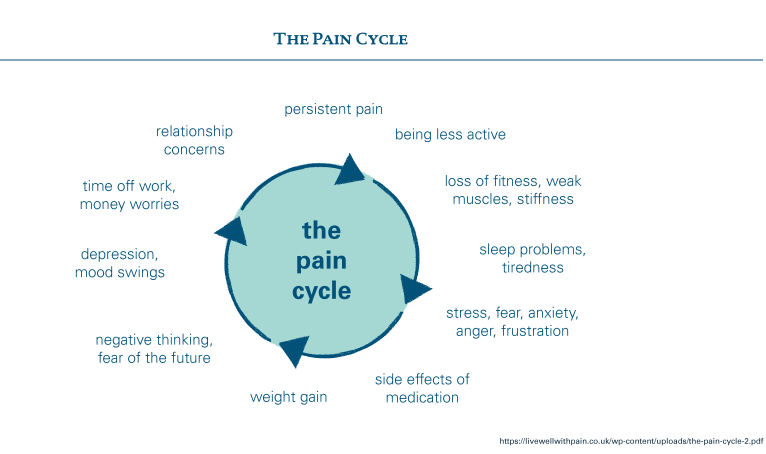
Osteopaths want to hear about your mental health as well as your physical health because the two are inextricably linked. Especially when it comes to pain. The ‘pain cycle’ below explains how factors such as family, social and work concerns may connect and reinforce each other affecting joint pain like neck and back pain.
As well as physical strains your body is under, osteopaths want to hear about the mental strain you are under. Stress can impact on your body’s health. Chronic stress negatively affects your body’s immune system and can progress dysfunction and disease within the body. Poor sleeping habits associated with chronic stress increase levels of pro-inflammatory cells in the blood stream and negatively affect mood. All of this affects your body’s balance and homeostatic mechanisms which brings us to another tenant of osteopathic treatment. The body is self-healing, self-modulating living organism and when given the right conditions will heal itself.
Osteopaths treat patients with self-healing in mind so if you are stressed out, not sleeping, low and anxious then a certain amount of energy is being used to keep you going that we cannot access to heal your injury or pains. Your state of health; mental, physical, spiritual dictates how much treatment and what kind of treatment is offered.
In a few weeks I’ll be going on a course to learn how to treat patients suffering from chronic stress so more on this then. I’m looking forward to it already!
arthritis Bentham osteopath changing habits Cheshire Osteopath chronic-pain eat better eat for health eccleshall osteopath hacks for eating better Hannah Beard Osteopath health injuries Keele Lancaster osteopath Laser therapy low level laser therapy nantwich osteopath Newcastle-Under-Lyme Newcastle-Under-Lyme Osteopath nutrition osteopath osteopathic assessment osteopathic treatment osteopathy Osteopathy for health Osteopathy Works pain photobiomodulation posture stafford osteopath Staffordshire Osteopath Stoke-On-Trent Osteopath Stress and Osteopathy Swan Health and Rehabilitation Thor laser

 Hannah Beard Family Osteopath